Living Over the Shop: What to Check Before Buying a High-Street Flat
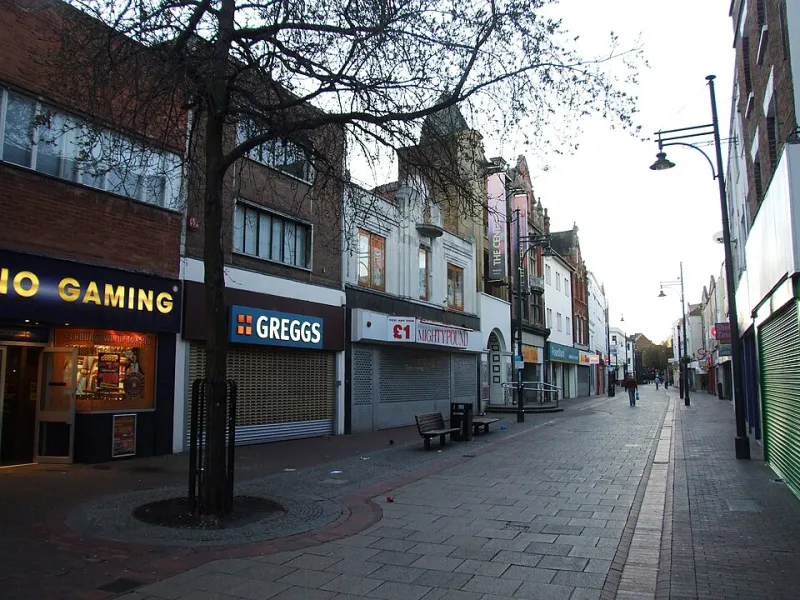
Photo: Chris Whippet , CC BY-SA 2.0, via Wikimedia Commons
The appeal and the hidden complexity
A flat above a shop can offer space, character and a central location that a purpose-built block rarely matches. For buyers in UK cities, the high-street flat is an established part of the housing stock, often created through the conversion of older commercial buildings or the upper floors of mixed-use premises. The appeal is understandable. The due diligence, however, needs to be more careful than the price and the postcode might suggest.
Mixed-use buildings bring together different occupiers, different lease structures and different expectations. A residential flat sitting above a restaurant, hairdresser, office or convenience store is not simply a flat with a busy entrance. It is a property where the relationship between commercial and residential use shapes everything from fire safety to insurance.
Structural separation and building fabric
The first question is how the residential and commercial parts of the building are separated. In older conversions, the flat may share walls, floors and services with the shop below in ways that were never designed for modern residential standards. A surveyor will look for signs of movement, water penetration, poor sound insulation and inadequate fire separation. The condition of the commercial frontage, the rear access and the roof over the whole building also matters, because repair liabilities may be shared.
Buyers should ask when the building was converted and whether building regulations approval was obtained. Works carried out decades ago may be lawful but still fall short of current expectations. The survey should distinguish between defects that affect the flat directly and those that arise from the commercial unit or the common parts.
Noise, smell and daily occupation
Living above a shop means living close to the rhythms of a business. Deliveries, extractor fans, refrigeration units, late opening hours and customer footfall can all affect amenity. Noise and smell are difficult to assess from a single viewing, so visit at different times of day and, if possible, speak to neighbouring residents. Ask about the commercial tenant’s permitted hours, any history of complaints and whether the lease includes restrictions on noisy or odorous activities.
A surveyor can comment on visible ventilation and extractor arrangements, but cannot guarantee how a business will operate in future. That is why the lease and planning history matter alongside the building inspection.
Fire safety and means of escape
Fire safety is a central concern in mixed-use buildings. Residential flats above commercial premises may rely on shared stairs, lobbies or rear exits, and the standard of fire separation between uses can vary considerably. The surveyor will look for obvious issues such as unprotected openings, inadequate fire doors and blocked escape routes, but a full fire risk assessment is a specialist matter.
Buyers should ask the freeholder or managing agent for the current fire risk assessment and any remedial works planned. In buildings with commercial units, the responsible person arrangements can be more complex than in a purely residential block. Mortgage lenders and insurers may also ask specific questions about the building’s use and fire safety provisions.
Access, servicing and shared repairs
High-street flats often have awkward access. The residential entrance may be separate from the shop, or it may be shared. Bin storage, bicycle parking, deliveries and emergency access all need to work in practice. If the flat is above a takeaway or restaurant, check how cooking smells and grease are managed and whether extraction equipment is maintained.
Shared repairs are another area where mixed-use buildings can become complicated. The lease should set out who repairs what, how costs are apportioned and whether the commercial occupier contributes. Service charges may be higher than expected, and reserve funds may be inadequate for major works such as roof replacement or external painting.
Lease terms and permitted use
The lease is not a secondary document in a flat purchase; it is part of the property’s value. Check the length of the remaining term, the ground rent, the service charge mechanism and any restrictions on subletting, pets or home working. In a mixed-use building, pay particular attention to the permitted use of the commercial unit and any restrictions on hours, noise or odours. A change of use in the shop below could affect your enjoyment and the value of your flat.
Your solicitor should review the lease alongside the survey report. A building can be structurally sound and still be a poor purchase if the lease allows incompatible commercial activity or imposes disproportionate repair liabilities.
Insurance and mortgage considerations
Mixed-use buildings can be more difficult to insure than standard residential blocks. Insurers may ask about the commercial use, fire safety, vacant periods and the construction of the building. Mortgage lenders may also have specific criteria for flats above commercial premises, particularly where the commercial element is deemed high-risk. It is sensible to obtain insurance quotations and to confirm lender acceptability before exchange, rather than after.
What a surveyor can and cannot inspect
A surveyor can inspect the flat, the visible common parts and, where access allows, the exterior and roof. They can report on damp, movement, timber defects, drainage and the general condition of the building fabric. They cannot inspect inside the commercial unit without permission, test fire safety systems, or predict the behaviour of future tenants. A clear report will state these limitations plainly.
For buyers, the practical response is to commission the right survey, read the lease carefully and ask direct questions of the seller, freeholder and managing agent. A high-street flat can be an excellent home, but it rewards a measured approach rather than a romantic one.