The Lane That Stays Private: Surveying a Home on an Unadopted Road
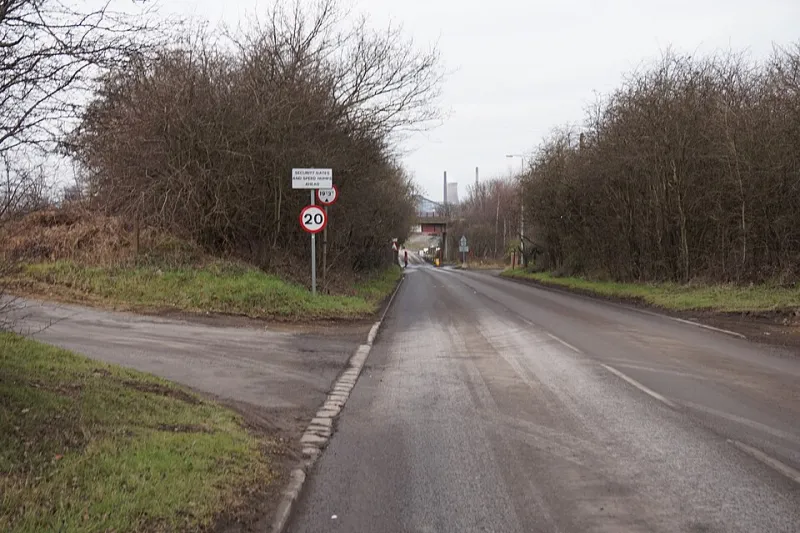
Photo: Ian S , CC BY-SA 2.0, via Wikimedia Commons
A quiet lane, a no-through-road sign and a feeling of seclusion can be powerful selling points. They can also disguise a practical question that deserves a clear answer before exchange: who is responsible for the road itself? An unadopted private street is not necessarily a problem, but it is a risk that should be understood, quantified and allocated. The building survey and the legal enquiries each tell part of the story, and neither is complete without the other.
What ‘Unadopted’ Actually Means
In England and Wales, a road may be maintainable at public expense or it may remain private. Adoption is a legal status, not a visual one. A lane can be surfaced, lit and used by the public every day and still be unadopted. Conversely, a rough track may benefit from an arrangement that places maintenance with a management company or frontagers.
Do not assume that because the local authority empties bins, repairs potholes or cleans gullies, the road is adopted. Those actions may be temporary, discretionary or historic. The definitive question is whether the highway authority has a duty to maintain the route at public expense. That answer comes from the highway authority and the title documents, not from the appearance of the tarmac.
Start With the Legal Title, Not the Surface
The title register and title plan should be read alongside the transfer documents and any estate management pack. Look for express rights of access, covenants to contribute towards maintenance, estate rentcharges, shared driveway obligations and any retained land over which the lane passes. If the property is sold with a management company, ask for the company accounts, the reserve fund position, the insurance arrangements and the record of recent repairs.
Standard and optional local authority searches have a role, but they should be supported by specific questions. Ask the highway authority directly whether the road is maintainable at public expense. Ask whether any adoption agreement, such as an agreement under section 38 of the Highways Act 1980, has been entered into and, if so, whether it has been completed. Ask whether the authority has served any notices or carried out private street works and recovered the cost from frontagers. These are legal questions, and they should be answered in writing.
Maintenance Liability: The Question Behind the Question
When buyers ask about an unadopted road, they often mean: who pays when it fails? The answer may be shared among frontagers, placed with a management company, secured through an estate rentcharge or governed by an informal arrangement that has worked for years. Each has different implications.
A formal maintenance obligation may be enforceable, but it should be read carefully. Is there a fixed contribution? Is it index-linked? Does it cover resurfacing as well as routine patching? What happens if a neighbour refuses to pay? If there is no formal mechanism, the practical risk is that repairs depend on collective goodwill. That can work well on a small lane with sensible owners, but it is difficult to rely on when major work is needed.
A road that has been patched informally over many years may look reassuring. It can equally be evidence that no planned maintenance regime exists. Request invoices, schedules and correspondence. If a management company is involved, check whether it is active and solvent. If the road is managed by an informal association, ask for minutes and a history of contributions.
Access Rights and the Shape of the Route
A right to pass over a private lane is not the same as a right to have it maintained at someone else’s expense. Check that the property has a legally adequate right of access for vehicles, pedestrians and services. Look at whether the route crosses third-party land, whether there are gates or barriers, and whether the right is limited by width, weight or times of use.
Practical access matters too. Can a refuse lorry, emergency vehicle or delivery van turn safely? Is there sufficient visibility at the junction with the public highway? Does the lane provide access to other properties, and are there any shared turning areas? A surveyor can describe the physical arrangement, but the legal right must be confirmed by a solicitor. Both are needed before you can rely on the access.
Drainage and Services Beneath the Surface
Private lanes often carry their own drainage arrangements. Surface water may run to gullies, soakaways, ditches or a shared culvert. These systems may be outside the public sewer network and may not benefit from a statutory adoption arrangement. A dry lane in summer can become impassable in winter if drainage is inadequate or poorly maintained.
Ask the surveyor to inspect visible drainage features, camber, kerbs, edges and evidence of ponding or erosion. Where the lane is long or the drainage is complex, a specialist drainage report or CCTV survey may be justified. Also consider services: water, electricity, gas and telecommunications may run beneath the lane, and rights for their maintenance should be checked. Damage caused by heavy vehicles to a lightly constructed private road is a common source of dispute.
Surface Condition: What the Survey Can and Cannot Tell You
A building survey can report on the visible condition of the lane: cracking, rutting, potholes, edge deterioration, retaining walls, embankments and the adequacy of drainage. It can identify where the surface appears to have been patched repeatedly or where movement suggests a weak sub-base. It cannot, however, determine ownership, adoption status or maintenance liability.
For a short shared drive, a visual report may be sufficient. For a long private lane serving several properties, a specialist road engineer’s assessment may be worthwhile. The cost of resurfacing or structural repair can be significant, and the apportionment between owners should be understood before exchange. Ask for recent quotes, maintenance records and any planned works.
A Pre-Exchange Checklist
- Obtain the title register, title plan and transfer documents.
- Ask the highway authority whether the road is maintainable at public expense.
- Check for adoption agreements, private street works notices and completion certificates.
- Review covenants, estate rentcharges and management company obligations.
- Confirm access rights for vehicles, pedestrians and services.
- Inspect drainage, surface condition and boundary features.
- Request maintenance records, accounts and recent repair invoices.
- Consider a specialist report for long or heavily used private lanes.
- Take legal advice on the precise wording of obligations and rights.
A Risk to Be Quantified, Not a Reason to Walk Away
An unadopted road is not a defect in itself. Many private lanes are well managed and perfectly serviceable. The danger lies in buying without knowing who is responsible, what has been spent and what may be needed next. Read the survey and the legal replies together. If the answers are clear, the risk can be priced and accepted. If they are vague, negotiate, seek further evidence or reconsider. A quiet lane should remain a pleasure to live on, not a liability discovered after completion.