High-Rise, High Stakes: Due Diligence for a Flat in a Cladding-Affected Tower
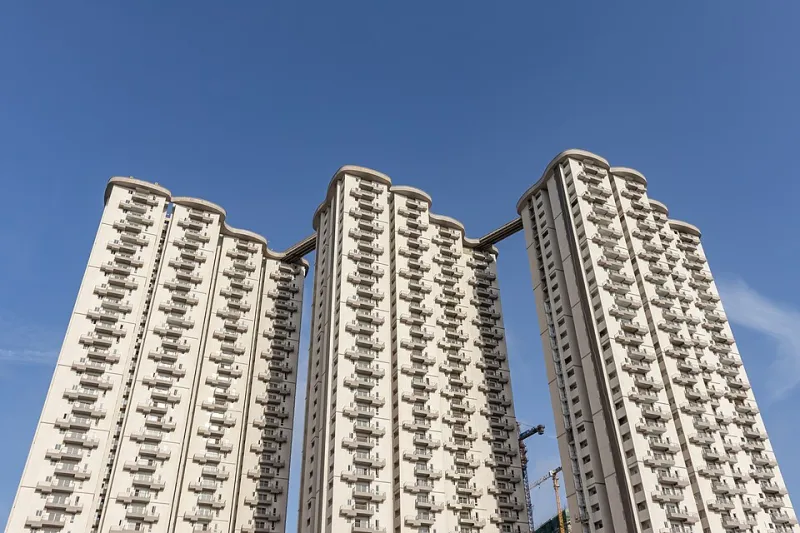
Photo: iMahesh, CC BY-SA 4.0, via Wikimedia Commons
A tall residential block is more than a stack of flats. It is a single building with shared systems, shared obligations and, increasingly, a shared safety record. For a buyer considering a flat on a higher floor, that collective dimension deserves as much attention as the accommodation itself. Where the external wall system has been called into question, the transaction becomes an exercise in reading evidence carefully rather than relying on reassurance alone.
This article sets out how a surveyor fits into that process, what the paperwork should tell you, and which lease and lending questions are best resolved long before contracts are exchanged.
The surveyor's field of view
A building survey is largely visual and non-invasive. The surveyor can inspect accessible common parts, roof spaces where entry is possible, plant areas and the general condition of the structure. They can note poor detailing, visible water ingress, defective sealant, damaged render or obvious breaches in compartmentation. They can comment on the age and apparent composition of external wall materials where these are visible, and they can recommend further investigation where something does not look right.
What a surveyor cannot do is remove cladding, open concealed cavities or test the fire performance of a wall system. They are not fire engineers, and a building survey is not a building safety assessment. A prudent report will say so plainly. It may identify that the external wall system warrants specialist review, but it will not certify that the building is safe or unsafe. Buyers should treat the survey as one part of an evidence trail, not as the final word.
Evidence over assurance: EWS1 and the building safety case
The EWS1 form is an industry process used to record an assessment of external wall systems, principally to help lenders and valuers. It is not a statutory certificate and it is not a warranty. Forms carry ratings that describe the extent of combustible material and any remedial work required, and they can become outdated as work progresses or as guidance evolves. A low rating is a prompt for questions, not a reason to walk away automatically; an apparently clear rating still needs to be read alongside the date, scope and assumptions of the assessment.
Since the Building Safety Act 2022 took effect, taller residential buildings have been brought into a more formal regime. Higher-risk buildings — broadly those at least 18 metres or seven storeys tall with two or more residential units — require an accountable person and a building safety case. The Building Safety Regulator oversees this framework. In practice, a buyer should ask for the latest fire risk assessment, a summary of the safety case and any remediation plan or programme of works. These documents help establish whether the building is being actively managed and whether known defects are being addressed.
The lease, the service charge and the cost of remediation
Cladding issues are rarely just technical. They are financial and contractual. The lease will set out what the landlord can recover through the service charge, how major works are consulted upon and whether there is a reserve fund. Buyers should request at least three years of service charge accounts, the current budget, any Section 20 consultation notices and the minutes of residents' or management meetings. These records show how the building has been run and whether significant costs are on the horizon.
Remediation funding is a central question. Some buildings are covered by developer remediation contracts or government schemes; others are not. Leaseholder protections introduced under the Building Safety Act may limit the recovery of certain safety-related costs for qualifying leases, but the detail matters and depends on the lease, the building and the nature of the work. A solicitor should confirm how the protections apply and whether any caps, exclusions or interim arrangements are in place. It is also worth asking whether buildings insurance premiums have risen sharply, as these costs are usually recovered through the service charge.
The lender's perspective
Mortgage lenders and their valuers take different approaches to taller buildings with external wall questions. Some will lend only with an appropriate EWS1 form or equivalent evidence; others will consider a building safety case or a remediation plan. Because lending criteria change, a buyer should speak to a broker or lender before commissioning a survey. There is little point paying for a detailed inspection if the chosen lender will not accept the building's evidence position.
It is also important to distinguish a mortgage valuation from a building survey. The valuation is for the lender's purposes and is usually brief. A separate survey gives the buyer a more detailed account of condition and helps frame the questions to put to the managing agent and solicitor.
A practical checklist before exchange
- Obtain the lease, title and any deeds of variation, and ask your solicitor to explain the repairing and insurance obligations.
- Request the most recent EWS1 form, fire risk assessment, building safety case summary and remediation plan.
- Review three years of service charge accounts, the current budget, reserve fund balance and any Section 20 notices.
- Ask the managing agent directly about planned major works, known defects, insurance premiums and any outstanding safety recommendations.
- Confirm the lender's position on the building before committing to a full survey.
- Consider a specialist fire engineering review if the documentation is incomplete or contradictory.
A flat in a taller block can still be a sound purchase. The key is to treat the building as a whole, read the paperwork critically and take professional advice before exchange. City Surveys can provide a clear-eyed building survey that helps you understand condition and identify where further evidence is needed, so that your decision rests on facts rather than assumptions.