Shared Roofs, Shared Risk: Surveying the Building Behind a Leasehold Flat

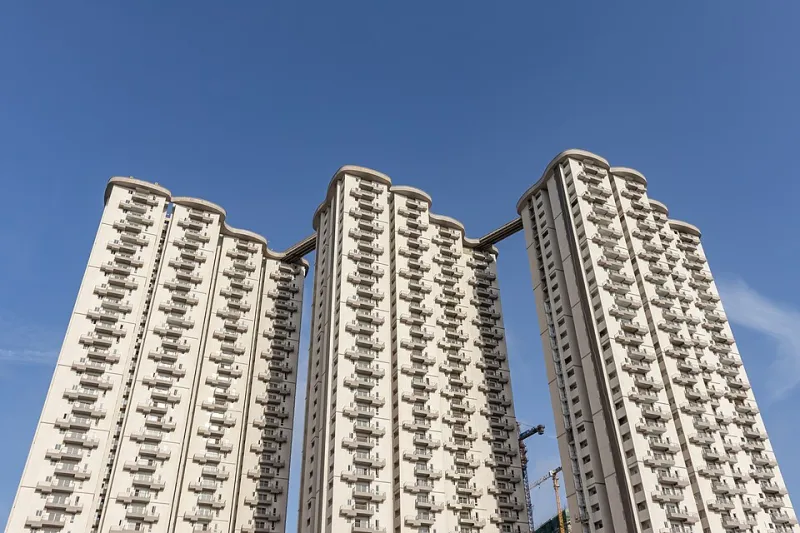
Photo by Photo by Andri Aeschlimann on Unsplash on Unsplash
A leasehold flat is often described through its interior: the rooms, the view, the kitchen and the finish. Yet the flat sits inside a building, and the building carries its own risks and costs. The roof, structure, external walls, communal areas and shared services may be the landlord's responsibility, but the leaseholder usually pays for them through the service charge. That is why a buyer should look beyond the front door before exchange. An independent survey and a careful lease review belong together.
Beyond the front door
A survey of a leasehold flat should establish the scope of inspection and the limits of that scope. The interior matters, but so do the shared parts that affect it: the roof covering, rainwater goods, external walls, windows, balconies, staircases, lifts and communal drainage. Where access allows, the surveyor will comment on the condition of these elements and on any obvious disrepair. Where access is restricted, the report should say so clearly. A survey is not a substitute for the landlord's maintenance records, but it can reveal whether the building appears to be cared for or deferred.
The lease and the building are one enquiry
The lease defines what is demised to the flat and what remains the landlord's responsibility. It also sets out repairing covenants, insurance obligations and the mechanism for service charges. A buyer needs to understand who repairs what, how costs are apportioned, and whether the lease permits the works that may be needed. A surveyor can describe the physical condition; a solicitor can interpret the legal obligations. The two strands should inform each other rather than sit in separate files.
Reserve funds, major works and service-charge forecasts
Service charges cover day-to-day management and maintenance, but major works are where surprises often arise. A healthy reserve fund can spread the cost of roof replacement, external decoration, lift overhaul or fire-safety works over time. A thin reserve fund may mean that future bills arrive suddenly. Buyers should ask for recent service-charge accounts, the current budget, any planned maintenance programme and details of major works proposed or recently completed. Section 20 consultation requirements also matter where significant works are planned, because they affect how costs are shared and challenged.
Managing the risks before exchange
A leasehold purchase benefits from a coordinated approach. The surveyor should inspect the flat and the accessible shared areas; the solicitor should review the lease, the management pack and the service-charge history; the managing agent should answer practical questions about maintenance and future works. Where the building has known defects, the buyer can seek quotations, negotiate a retention or adjust the offer. Where the evidence is incomplete, the report should identify what further investigation is needed rather than offering false certainty.
The interior may be what attracts a buyer, but the shared building is what sustains the investment. With an independent survey and a clear reading of the lease, the service charge becomes part of a known picture rather than an unwelcome discovery after completion.