Before the Gavel Falls: Why Auction Property Demands a Pre-Bid Survey

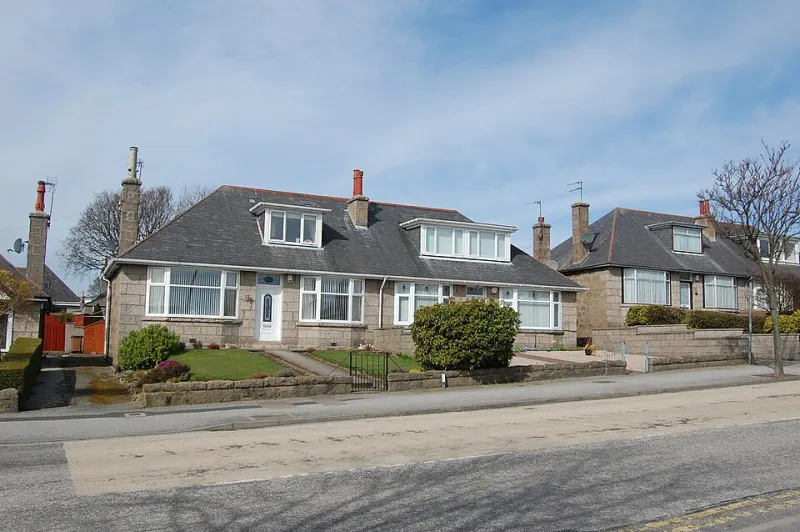
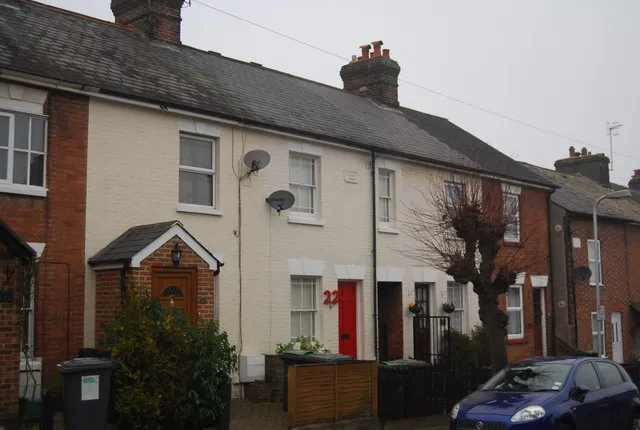
Photo: Patrick Henry Davenport, Public domain, via Wikimedia Commons
Auction property has a particular rhythm. The catalogue appears, the legal pack is released, viewings are brief, and the gavel falls. For buyers, the appeal is speed and the possibility of a bargain. The risk is that speed can become a substitute for diligence. Once the auctioneer's hammer falls, the contract is binding. There is no cooling-off period and no opportunity to renegotiate on the basis of a survey. That is why a pre-auction survey should be treated as a condition of bidding, not an optional extra.
The timetable: due diligence in days, not weeks
Most auctions allow a few weeks between the property being listed and the sale. That is enough time for a survey if the buyer acts immediately, but not enough for a leisurely process. Good surveyors can work to short deadlines, particularly for standard houses and flats. The key is to start at once: request the legal pack, instruct a solicitor, book access and brief the surveyor in parallel. Do not wait for the legal review to finish before arranging the survey; the two workstreams can run together. If access is restricted, tell the surveyor early and agree what can realistically be achieved.
What the legal pack can and cannot tell you
The legal pack is essential. It should contain title information, tenure, lease details where relevant, searches, planning and building regulations information, special conditions, fixtures and environmental matters. It may reveal a short lease, restrictive covenants, arrears, notices or disputes. But it is not a condition report. The seller is generally not obliged to disclose physical defects, and the principle of caveat emptor applies. An energy performance certificate is not a survey. A planning document may show that an extension was built, but it will not tell you whether the work is sound. The legal pack informs the transaction; the survey informs the building.
Defects most often missed in auction stock
Surveyors who work with auction stock see recurring issues. Damp is common, whether from leaking roofs, blocked gutters, failed render, plumbing defects or condensation. Structural movement may be visible as cracking, roof spread or distortion around openings. Unauthorised works are frequent, from loft conversions to rear extensions and garage conversions. Short leases can turn an apparently cheap flat into an expensive liability. Services may be disconnected or unsafe, asbestos may be present in older buildings, and fire safety in converted buildings requires careful thought. Tenanted properties may restrict access, which makes the surveyor's job harder and the buyer's contingency more important.
Damp: the defect that viewings hide
Brief viewings are not designed to reveal damp. Furniture, fresh paint and air fresheners can mask it. Penetrating damp may come from roof defects, blocked gutters, failed render or leaking pipes. Rising damp may be claimed where the real issue is bridging or condensation. A surveyor uses moisture readings and experience to distinguish causes. The remedy may be simple maintenance or a more substantial repair, but the buyer needs to know which is likely before bidding.
Movement: reading cracks under time pressure
Cracking is not a diagnosis. A surveyor will consider pattern, width, location and history. Diagonal cracks near openings, stepped cracks in brickwork, distorted windows and doors, and a sagging roof line all require explanation. In an auction, there may be no opportunity to monitor over months. A structural engineer's report can be arranged, but it takes time. The bid should include a contingency for the worst credible outcome, or the buyer should walk away.
Unauthorised works and the value of a paper trail
Loft conversions, rear extensions, garage conversions and cellar works are common in auction stock. Some have planning permission and building regulations approval; others do not. The legal pack may not contain a complete paper trail. Surveyors can identify physical signs of alteration, but they cannot certify lawfulness. Indemnity insurance may be available, but it protects against enforcement, not poor workmanship. Buyers should budget for regularisation or remedial work.
Short leases: the auction leasehold trap
Leasehold auction lots require particular care. A lease with fewer than 80 years unexpired can be expensive to extend, and the legal pack should include the lease for legal review. Buyers need advice on ground rent, service charges, restrictions and the cost of extension. A surveyor can report on the condition of the building and the flat, but not on the lease's investment value. The two reports should be read together.
Working to the clock without cutting corners
Set a plan. Day one: request the legal pack and instruct a solicitor and surveyor. Day two: review the pack and arrange access. Day three: attend the survey if possible. Day four: receive the report and discuss priorities. Day five: obtain specialist quotes if needed and set the bid ceiling. This is tight but feasible for many properties. If access cannot be arranged, consider a desktop review with clear caveats and a larger contingency, or walk away.
Setting a bid ceiling that reflects the defects
Calculate the total cost: purchase price, fees, legal costs, finance, insurance and repairs. Add a contingency. The survey should help you prioritise immediate safety issues, essential repairs and desirable improvements. Do not let the atmosphere of the room override the arithmetic. The winning bid is not necessarily the best bargain.
Auctions reward preparation, not optimism. A pre-auction survey is the only bid you should make.